Reports and Resources
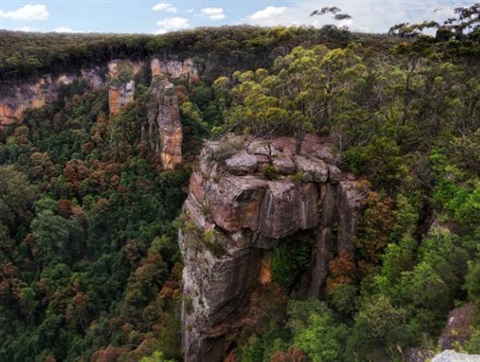
Council has several environmental studies, strategies, reports and plans available to viewed on the following pages.
Environment Strategy 2024
The Wingecarribee Environment Strategy 2024 follows through the commitments in the Community Strategic Plan.
State of the Environment Report
Under the Local Government Act, Councils are required to include a local State of the Environment Report (SOE) in their annual report in the year in which an ordinary election of councillors is to be held.
This report provides a summary of the local environmental issues relevant to the objectives established in the Wingecarribee Community Strategic Plan 2031+. The report also includes an update on local environmental impacts and ongoing trends in environmental indicators over time.
Every other year the annual report will include reporting on environmental objectives relevant to Council’s Operational Plan for that year.
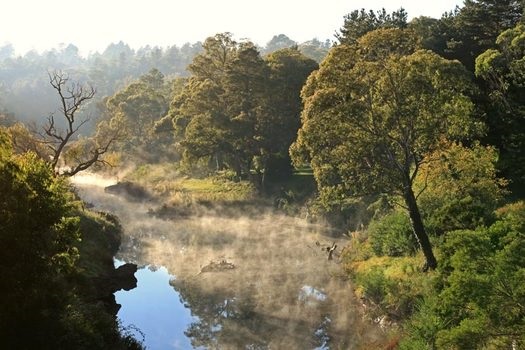
Past State of the Environment Reports
State of the Environment Report 2012 - 2016(PDF, 7MB)
State of the Environment Report 2011 - 2012(PDF, 5MB)
State of the Environment Report 2010 - 2011(PDF, 662KB)
State of the Environment Report 2009 - 2010(PDF, 279KB)
State of the Environment Report 2008 - 2009(PDF, 274KB)
State of the Environment Report 2007 - 2008(PDF, 119KB)
Mittagong Creek Riparian Management Plan
Council has prepared a riparian management plan for the extent of Mittagong Creek between Old South Road and the Bowral Sewage Treatment Plant.
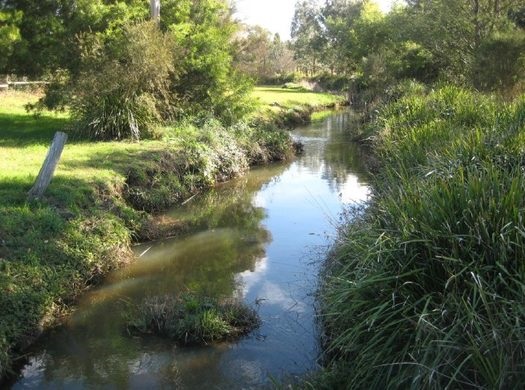
The Mittagong Creek Riparian Management Plan guides the management and restoration of Mittagong Creek between Old South Road and the Bowral Sewage Treatment Plant.
The final plan can be downloaded using the links below:
Mittagong Creek Riparian Management Plan(PDF, 3MB)
Mittagong Creek Masterplan Section 1(PDF, 3MB)
Mittagong Creek Masterplan Section 2(PDF, 1MB)
Private Land Biodiversity Strategic Plan 2014-2019
Council is nearing the end of this strategic plan, and many outcomes have been achieved to date. A revised and updated plan was adopted by Council on 27 September 2017. The three-tiered system of engagement with the community will continue in Wingecarribee Shire and these popular programs are funded by the Environment Levy.
Habitat for Wildlife was launched on World Environment Day, 5th June 2015, for urban and peri-urban residents interested in making their backyard gardens wildlife friendly.
Land for Wildlife is for landholders keen to conserve wildlife on larger properties with at least 0.5 hectare of native bush land or other natural area (for example rainforest, grasslands or wetlands).
The Environment Levy funded Vegetation Conservation Program grants were finalised in June 2019 and replaced by other Private Land Conservation external funded grants that are accessible to Southern Highlands landholders.
By getting involved, landholders commence a journey of discovery on their land in the context of the regional landscape.
The strategic plan guides investment, with a focus on conserving high value environmental lands such as threatened ecological communities (TECs) and threatened species, with an emphasis on protecting larger remnants within high priority corridors such as the Great Western Wildlife Corridor and the Illawarra Escarpment.
Wingecarribee Web and Southern Highlands Nature news
Have now been replaced with articles in the eNews that comes out weekly via council's website and direct mail out
To view past editions of Wingecarribee Web, please click on the below links;
Wingecarribee Web - December 2020 to January 2021
Wingecarribee Web - September to November 2020
Wingecarribee Web - May to July 2020
Wingecarribee Web - February to April 2020